

The Quality Intelligence Approach
Quality Intelligence is TestHuset's approach to managing software quality in a structured, data-driven, and strategic way. The approach helps organizations create stronger alignment between business objectives, testing efforts, and the quality of the digital solutions they rely on every day.
With Quality Intelligence, you gain a shared foundation for assessing, prioritizing, and improving your testing and quality assurance activities. The goal is not simply to identify defects earlier, but to establish a more mature and effective quality culture where decisions are based on insights, data, and a shared understanding of quality.
Many organizations already invest in testing and quality assurance but still face challenges such as limited visibility, unclear priorities, varying levels of test maturity, or involving quality assurance too late in the development process.
Quality Intelligence helps you answer key questions such as:
When quality becomes visible and measurable, it becomes easier to set the right priorities, reduce risks, and ensure that testing efforts support both business needs and the organization’s strategic objectives.

Before an organization can improve its approach to quality, it is important to establish a shared starting point. That is why Quality Intelligence begins by defining what quality means in your specific context.
For some organizations, quality means stable operations and fewer production defects. For others, it means faster releases, better user experiences, higher test coverage, or greater trust between business and IT. Often, it is a combination of these factors.
Once quality has been clearly defined, specific quality objectives can be established, making it possible to manage, monitor, and continuously improve quality assurance efforts over time.

Key Elements of TestHuset’s Quality Intelligence Approach





Assessing an organization’s maturity level is a crucial first step in identifying areas for improvement. Various established models and frameworks are available for this purpose.
After identifying the current situation (the as-is state), we conduct a Gap Analysis workshop focused on defining the desired future state (the to-be state) for the areas identified.
Based on the gaps identified, we develop a prioritized list of Action Points to address them effectively. These actions are specific, measurable, and aligned with the organization’s objectives. We then create a roadmap outlining the timeline for implementation.
To ensure continuous improvement and alignment with the organization’s objectives, it is essential to define and implement relevant quality metrics. These metrics provide a tangible way to monitor progress, assess the effectiveness of processes, and determine whether quality objectives are being met.
Monitoring All Agreed Actions, Metrics, and Objectives
This final step ensures continuous monitoring, management, and refinement of the initiatives established in the previous stages. The focus is on following up on all agreed actions, metrics, and objectives to ensure sustained progress and alignment with the organization’s strategic goals.
With Quality Intelligence, you gain a structured approach to improving your quality assurance practices.
Key benefits include:
Quality Intelligence is relevant to senior management, test managers, development teams, Product Owners, project managers, and business stakeholders alike.
The approach helps establish a common language around quality and makes it easier to make decisions that balance time, risk, resources, and business value.
When quality becomes a shared responsibility, organizations can work more efficiently, reduce defects, and deliver digital solutions with greater confidence and stability.

Quality Intelligence is TestHuset’s strategic approach to managing software quality in a more structured, data-driven, and business-oriented way. The approach helps you gain a clear overview, define quality objectives, identify areas for improvement, and embed quality as a natural part of the development process.
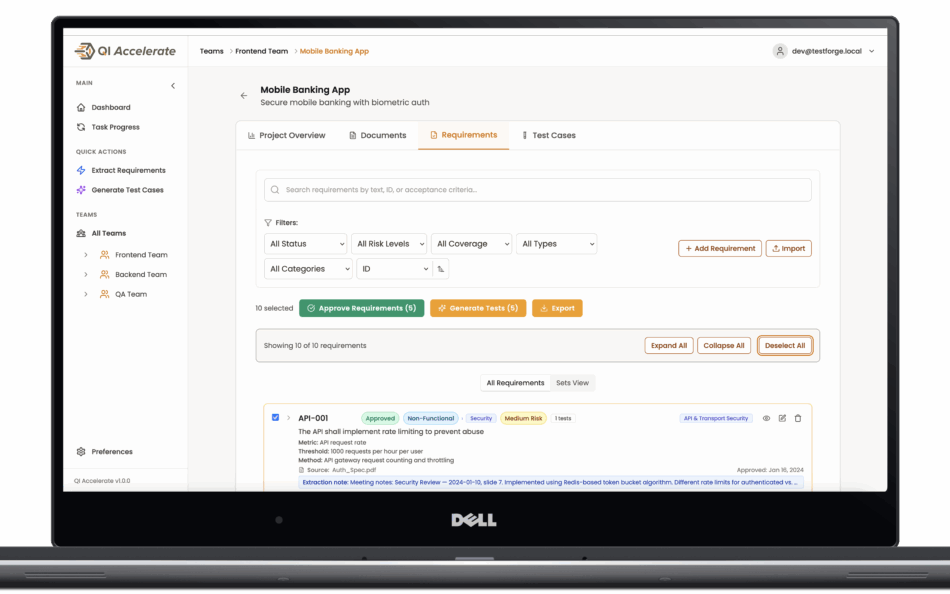
To put the approach into practice, we have developed QI Suite, a set of tools that support the different stages of Quality Intelligence. While Quality Intelligence provides strategic direction and methodology, QI Suite helps you turn insights into action, monitor progress, and drive continuous improvement.
As the way we approach quality evolves, so do the skills and competencies required. AI, increasing complexity, and a growing focus on the relationship between business, technology, and quality are creating new demands for professionals working in software testing and quality assurance.
Drawing on more than 20 years of experience and the needs we encounter among our clients, we have developed our vision of four future Quality Intelligence roles: QI Advisor, QI Architect, QI Analyst, and QI Engineer. Each role brings different strengths, collectively covering everything from strategic advisory services and quality architecture to analysis and technical execution.

Contact Us
TestHuset helps you turn Quality Intelligence into concrete improvements within your organization. We can support you with maturity assessments, workshops, quality objectives, metrics, and action plans that make it easier to take the next step.
Get in touch if you want to gain greater visibility, improve prioritization, and build a stronger quality culture.
Content